Therapeutic Areas

At Sanovel, we are committed to improving the quality of life of patients and their caregivers through a broad product portfolio and reliable treatment options across both acute and chronic therapeutic areas.

Ağrı ve İnflamasyon tedavi alanı görseli

Pain and Inflammation

Pain is one of our body’s most fundamental protective mechanisms. It occurs when tissue damage, an infection, or a disease develops. At the root of pain is often a biological process called inflammation.

Inflammation is a natural response by our immune system to harmful stimuli. It occurs following trauma, infection, or chemical irritants and manifests as redness, swelling, increased heat, and pain. When this process is short-lived, it is part of the healing process. However, when inflammation persists or becomes uncontrolled, it can pave the way for chronic diseases that reduce quality of life.

MORE INFORMATION
Endokrin ve Metabolizma tedavi alanı görseli

Endocrinology and Metabolism

The Pandemic of the Modern Age: Type 2 Diabetes Mellitus

Diabetes Mellitus (Sugar Disease) is a chronic and progressive metabolic disorder that affects the way our body uses energy. Type 2 diabetes results from the body’s inability to effectively use the insulin it produces (insulin resistance) or to produce sufficient insulin. This type accounts for approximately 90–95% of diabetes cases worldwide.

MORE INFORMATION
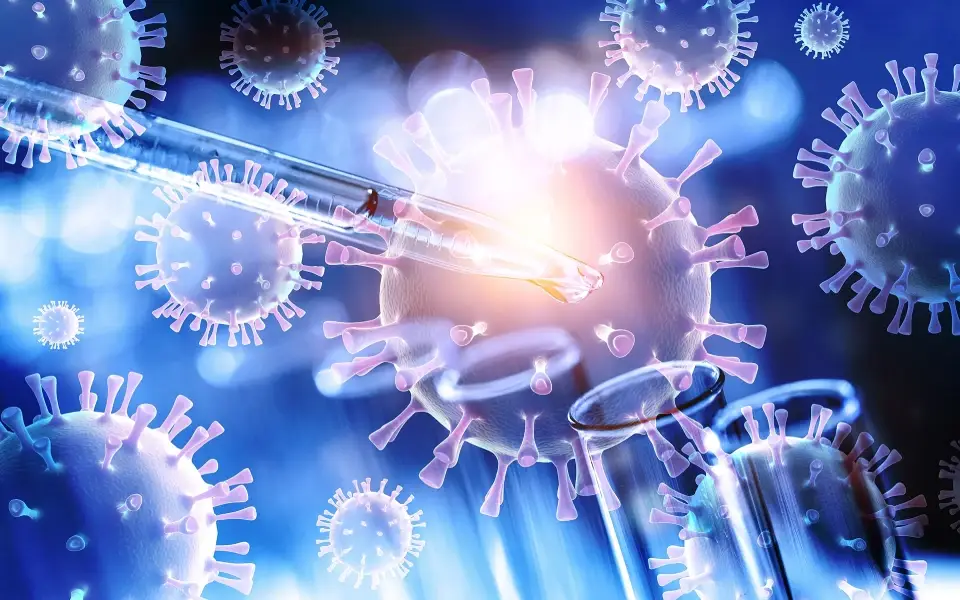
Enfeksiyon Hastalıkları tedavi alanı görseli

Infectious Diseases

Infectious diseases are conditions caused by bacteria, viruses, and other microorganisms, with a clinical spectrum ranging from mild symptoms to severe systemic conditions. The fundamental approach to managing these diseases is to accurately identify the causative agent and administer targeted treatment.

Antibiotics used to treat bacterial infections work by stopping the growth of microorganisms or eliminating them. Antibiotics, however, are not effective against viral infections; in such cases, antiviral treatments aim to reduce the duration and severity of the illness by suppressing viral replication.

MORE INFORMATION
Gastrointestinal tedavi alanı görseli

Gastrointestinal

Stomach Acid-Related Diseases

Stomach acid-related diseases are generally a group of conditions that develop due to excess stomach acid or a disruption of the stomach’s protective barrier. The most common of these is Gastroesophageal Reflux Disease (GERD), in which stomach acid flows back into the esophagus; gastritis, characterized by inflammation of the stomach lining; ulcers, which develop due to damage to the mucosa of the stomach or duodenum; and Zollinger-Ellison Syndrome, characterized by excessive acid production.

MORE INFORMATION
Hematoloji tedavi alanı görseli

Hematology

Hematology is the medical specialty that studies blood, blood-forming organs (bone marrow, spleen, lymph nodes), and blood disorders. Disruptions in the functions of blood—the body’s most dynamic tissue—can have life-threatening consequences across a wide range of areas, from the immune system to oxygen transport, and from blood clotting balance to cancer development.

MORE INFORMATION
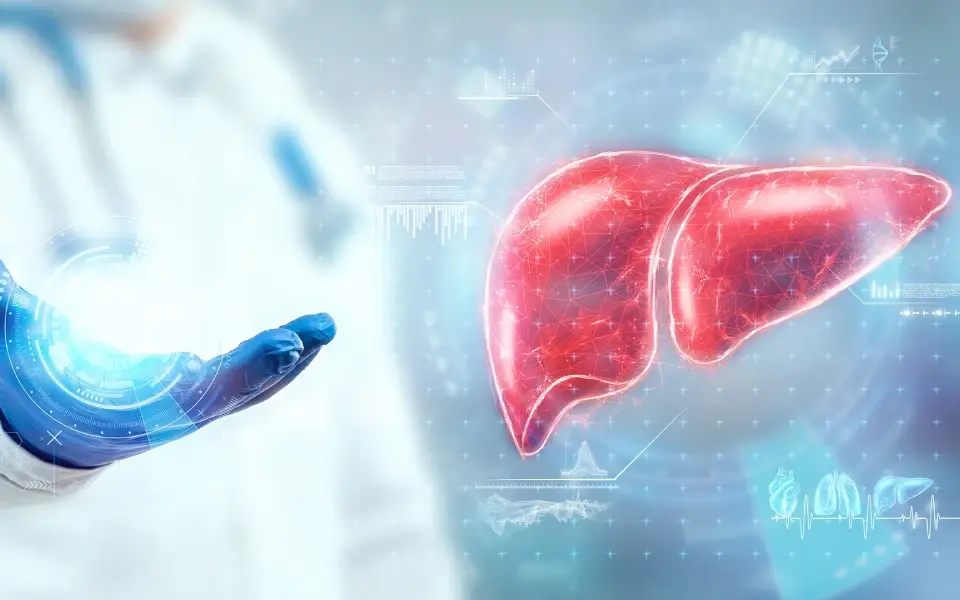
Hepatoloji tedavi alanı görseli

Hepatology

Chronic Hepatitis B is a serious public health problem affecting millions of people worldwide and capable of causing significant morbidity and mortality. The disease results from an infection with the hepatitis B virus (HBV) and, following the acute phase, becomes chronic in some individuals because the immune system is unable to completely clear the virus. Over time, chronic infection causes progressive liver damage, which can lead to serious complications such as cirrhosis, liver failure, and hepatocellular carcinoma.

MORE INFORMATION
Kardiyovasküler tedavi alanı görseli

Cardiovascular

According to the latest data published in our country on causes of death, circulatory system diseases ranked first in 2022, accounting for 35.4% of all deaths. Cardiovascular diseases can be an underlying cause of many other conditions.

Most cardiovascular diseases can be prevented by implementing public health strategies to control behavioral risk factors—such as unhealthy diet, tobacco use, obesity, physical inactivity, and harmful alcohol consumption.

MORE INFORMATION
Multipl Skleroz tedavi alanı görseli

Multiple Sclerosis

Multiple sclerosis (MS) is a chronic disease that affects the central nervous system. It causes problems in the brain and spinal cord. It is one of the most common neurological diseases among young adults and typically begins between the ages of 20 and 40.

The disease progresses through a highly complex process in which the immune system attacks the body’s own nerve cells, ultimately damaging the protective layer (myelin) surrounding the nerves. This damage causes signals sent to the brain and body to slow down or become distorted. This results in symptoms that vary from person to person:

MORE INFORMATION
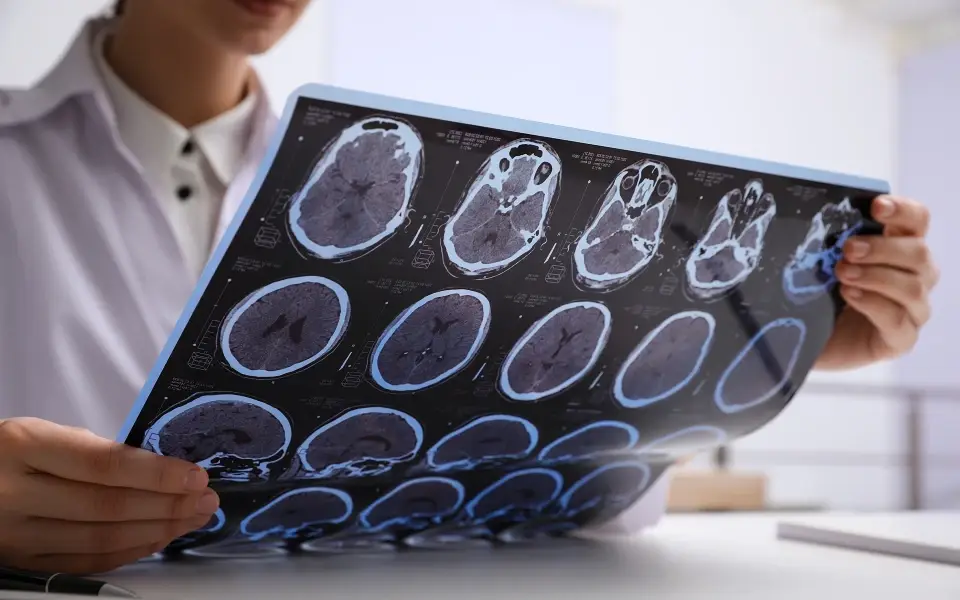
Nöroloji tedavi alanı görseli

Neurology

The brain is a complex organ that controls many fundamental functions, such as thinking, memory, movement, and behavior. Structural or functional changes in the brain can lead to the development of certain neurological diseases. Alzheimer’s disease and epilepsy are among the major neurological disorders that affect the central nervous system and are the subject of intensive scientific research worldwide.

Alzheimer’s disease is a progressive neurodegenerative disorder that primarily affects memory and cognitive functions. In the early stages of the disease, forgetfulness and difficulty learning new information may be observed. Over time, changes may also occur in cognitive processes such as planning, problem-solving, and carrying out daily activities.

MORE INFORMATION
Psikiyatri tedavi alanı görseli

Psychiatry

The central nervous system plays a critical role in regulating many fundamental functions, ranging from mood to cognitive processes, and from perception to behavior. Neurochemical imbalances, structural changes, or functional impairments in the brain can pave the way for the development of various psychiatric and neurological disorders. Depression, anxiety disorders, obsessive-compulsive disorder (OCD), post-traumatic stress disorder (PTSD), schizophrenia, bipolar disorder, and autism spectrum disorder are among the major disorders that are the subject of intensive scientific research worldwide.

MORE INFORMATION
Solunum tedavi alanı görseli

Respiratory

The respiratory system is the system responsible for taking in oxygen—the source of life for our bodies—from the air, delivering it to the cells, and expelling carbon dioxide, a waste gas. Breathing occurs as air travels from the nose and mouth through the trachea to the depths of the lungs—specifically, the airways known as the bronchi. In a healthy respiratory system, these airways are flexible and allow unobstructed airflow; however, when the delicate balance of this system is disrupted, various disorders arise.

Asthma is caused by the narrowing of the airways due to various environmental and/or personal factors. Inflammation in the lungs makes the airways much more sensitive, making it difficult to breathe.

MORE INFORMATION
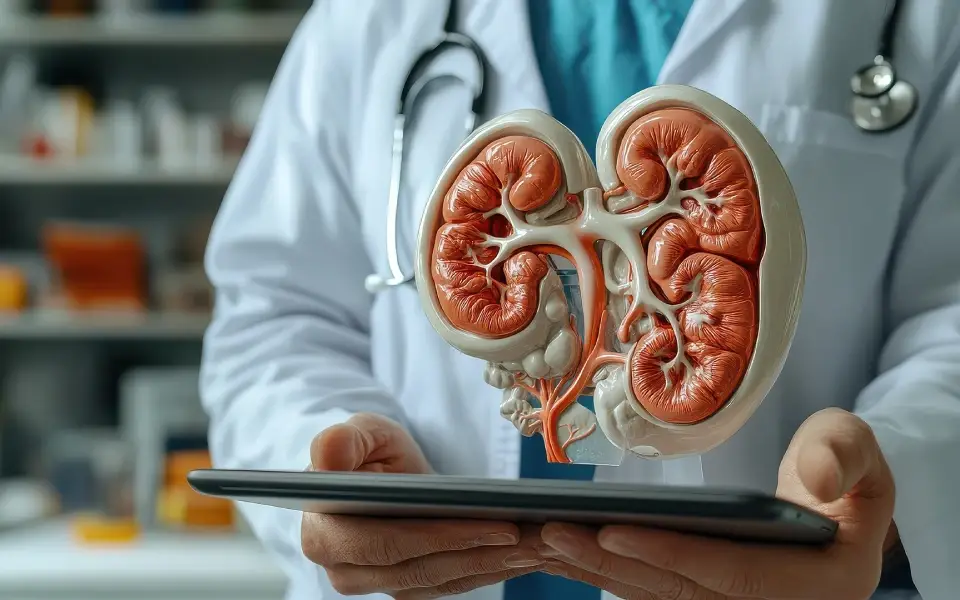
Üroloji

Urology

Urology is the medical specialty concerned with the diagnosis, treatment, and follow-up of diseases of the urinary system in both women and men, as well as diseases of the male reproductive system.

MORE INFORMATION