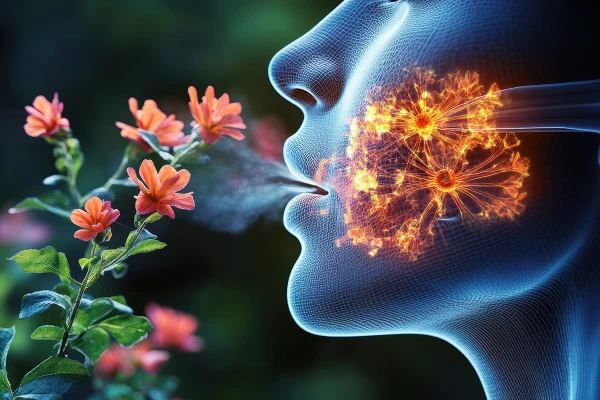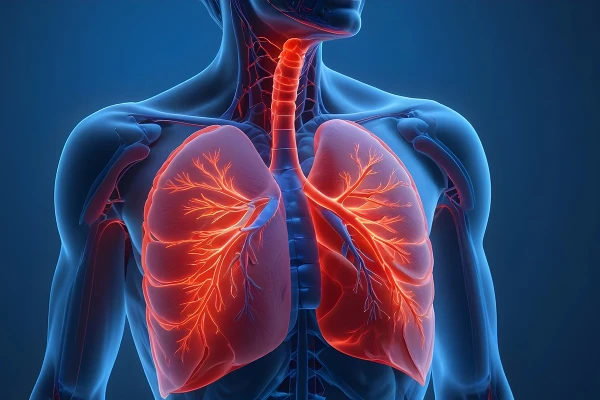
The respiratory system is the system responsible for taking in oxygen—the source of life for our bodies—from the air, delivering it to our cells, and expelling carbon dioxide, a waste gas. Breathing occurs as air travels from the nose and mouth through the windpipe to the depths of the lungs—specifically, the airways known as the bronchi. In a healthy respiratory system, these airways are flexible and allow unobstructed airflow; however, when the delicate balance of this system is disrupted, various disorders arise.
Asthma results from the narrowing of the airways due to various environmental and/or personal factors. Inflammation in the lungs makes the airways much more sensitive, making it difficult to breathe.
- Symptoms: The most prominent symptoms are shortness of breath, wheezing, a feeling of tightness in the chest, and a chronic cough.
- Risk Factors: Allergens such as pollen, house dust, and pet dander, as well as cigarette smoke, air pollution, and intense stress, can trigger attacks.