TYPE 2 DIABETES
Diseases Related to Stomach Acid
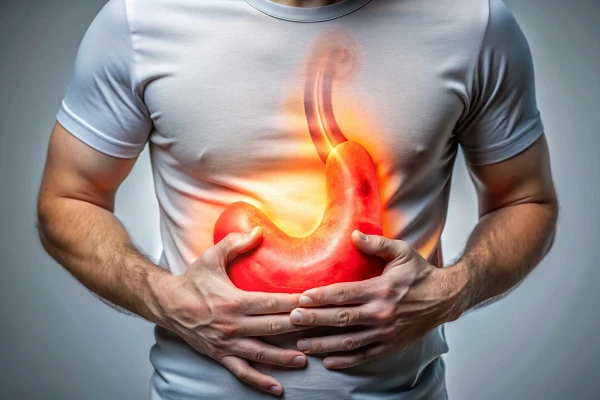
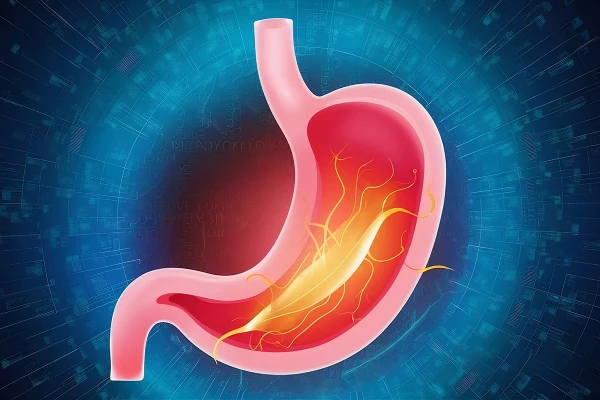
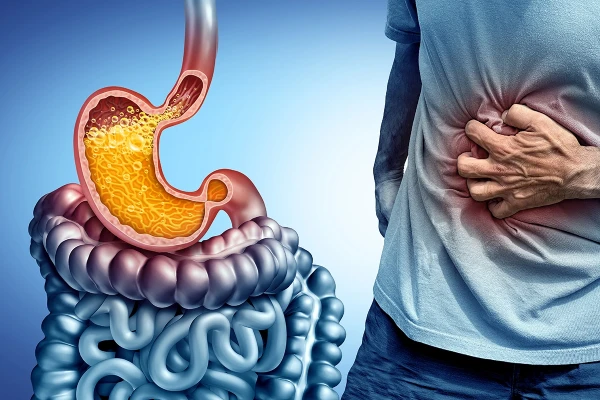
Stomach acid-related diseases are generally a group of conditions that develop due to excess stomach acid or a disruption of the stomach’s protective barrier. The most common of these is Gastroesophageal Reflux Disease (GERD), in which stomach acid flows back into the esophagus; gastritis, which is characterized by inflammation of the stomach’s inner lining; ulcers, which develop due to damage to the mucosa of the stomach or duodenum; and Zollinger-Ellison Syndrome, which is characterized by excessive acid production.
Gastroesophageal Reflux Disease (GERD)
is a condition caused by the backflow of stomach acid into the esophagus, leading to symptoms such as heartburn and regurgitation.
In addition to retrosternal burning and regurgitation, it may present with respiratory symptoms such as cough, hoarseness, and pharyngitis, or with chest pain. Gastroesophageal reflux disease is recognized as one of the most common chronic conditions among adults in our country, just as it is worldwide. A study conducted in our country found that 23% of the population has reflux disease. Although it is mostly treated with PPI-class medications, these drugs only temporarily relieve symptoms, and some patients experience these symptoms for the rest of their lives.