Therapeutic Areas

Cardiovascular

I. THROMBOEMBOLISM (BLOOD CLOTS)

Maintaining Blood Fluidity: Anticoagulant and Antiplatelet Therapies

The healthy functioning of the cardiovascular system depends on blood flowing freely through the vessels without clotting. At Sanovel, through our activities in the field of cardiovascular health spanning more than 10 years, we continue to be a trusted partner in the management of coagulation disorders.

The Clotting Mechanism: Protection or Threat?

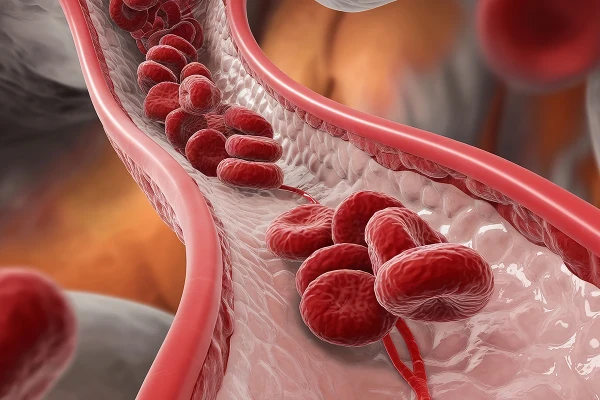
Our bodies have the ability to form clots to stop bleeding in the event of an injury. However, if these clots form inside a blood vessel in a way that blocks blood flow, life-threatening risks such as heart attack, stroke, and deep vein thrombosis can arise.

  • Antiplatelet Agents: Commonly known as “blood thinners,” this class of medications prevents blood cells (platelets) from sticking together, thereby inhibiting clot formation, particularly in arteries.
  • Anticoagulants: By prolonging the blood’s clotting time, they prevent the formation of large clots, particularly in veins or the heart.
Endokrin ve Metabolizma

Risk Factors: Who Is Prone to Clot Formation?

Clotting disorders are triggered by a combination of genetic predisposition and lifestyle factors.

  • Non-Modifiable Factors: Advanced age, genetic clotting disorders, and a family history of stroke or heart attack.
  • Modifiable Factors:
  • Sedentary Lifestyle: Prolonged periods of inactivity (such as long trips or immobilization) lead to blood pooling and an increased risk of clots.
  • Obesity and Smoking: These conditionsdamage the inner lining of blood vessels (endothelium), increasing the tendency for clotting.
  • Chronic Diseases:Uncontrolled hypertension and diabetes cause damage to the blood vessel walls, creating conditions conducive to clot formation.

The Body’s Warning Signs (Symptoms)

Blood clotting issues present different signs depending on the affected area. Immediate action is especially necessary in the following situations:

  • DVT in the Legs: Swelling, pain, redness, and increased warmth on one side.
  • Brain and Nervous System (Stroke): Sudden speech impairment, drooping on one side of the face, vision loss, or severe headache.
  • Heart and Lungs: Chest pain, sudden shortness of breath, and palpitations.
Endokrin ve Metabolizma

Treatment Approach and Management Strategies

Treatments in this area may require a personalized “lifelong partnership” based on the patient’s risk profile.

1. Lifestyle Management

  • Active Lifestyle: 150 minutes of moderate-intensity exercise per week optimizes blood circulation and reduces the risk of clots.
  • Diet: A diet rich in low-fat, high-fiber foods—such as the Mediterranean diet—supports vascular health.
  • Fluid Intake: Drinking enough water helps maintain proper blood viscosity.

2. Pharmacological Treatment (Medication) Medications prescribed by your doctor are the most critical tools for protecting vascular health and minimizing the risk of blood clots.

  • Consistency: The most common mistake is stopping treatment once symptoms subside. Uninterrupted use is essential for these medications to provide their protective effects. The course of treatment should be evaluated in consultation with your doctor.
  • Self-Monitoring: While undergoing treatment, any unexpected gum bleeding, nosebleeds, or bruising on the skin must be reported to your doctor immediately.
Endokrin ve Metabolizma

II. HYPERTENSION (HIGH BLOOD PRESSURE)

The Silent Threat: Recognizing and Managing Hypertension

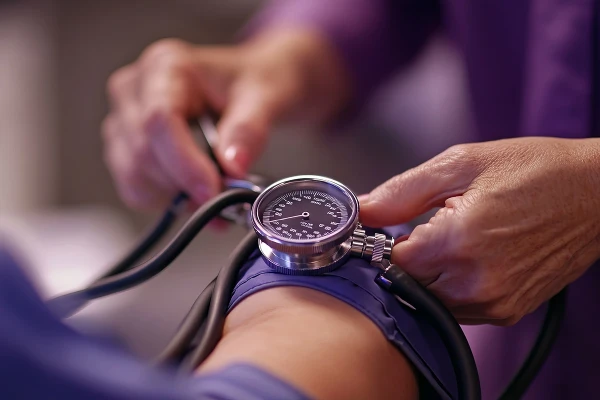
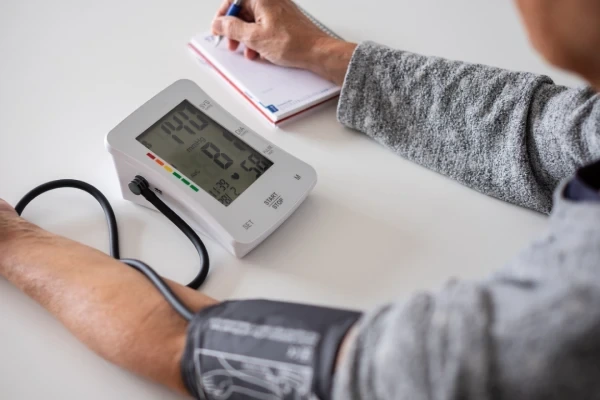
Hypertension is a chronic health condition that ranks among the leading preventable causes of death in the modern world. Hypertension is defined as a condition in which the pressure (blood pressure) exerted on blood vessel walls as the heart pumps blood throughout the body consistently remains above what is considered a healthy range. It is often referred to as the “Silent Killer” because it typically causes no symptoms.

Risk Factors: Who Is at Risk?

Both unmodifiable and modifiable (controllable) factors play a role in the development of hypertension.

  • Non-Modifiable Factors: Genetic predisposition (family history of high blood pressure), age (decreased arterial elasticity), and certain chronic kidney diseases.
  • Modifiable Factors: By prolonging blood clotting time, it helps prevent large clots from forming, particularly in the veins or the heart.
  • Excessive Salt Intake: Daily per capita salt consumption in Turkey is approximately three times the recommended amount.
  • Sedentary Lifestyle: Lack of physical activity increases vascular resistance.
  • Obesity: Every extra kilogram forces the heart to work harder to pump blood.
  • Stress and Tobacco/Alcohol Use: These factors damage blood vessel structure and raise blood pressure.
Endokrin ve Metabolizma

Symptoms and Complications

Hypertension is usually insidious; however, when blood pressure rises significantly, the body may send the following signals:

  • Severe headache concentrated in the back of the head
  • A throbbing or ringing sensation in the ears
  • Nosebleeds and palpitations
  • Loss of vision or blurred vision

What happens if it isn’t controlled?

Blood vessels exposed to consistently high pressure will eventually become damaged. This condition carries life-threatening risks such as heart failure, stroke, heart attack (myocardial infarction), aneurysm, and kidney damage.

Endokrin ve Metabolizma

Treatment Approach

Managing hypertension is like a “lifelong partnership.” Treatment is built on two main pillars:

Lifestyle Management

  • Proper Diet: A diet rich in vegetables, fruits, whole grains, and low-fat dairy products can be an effective way to help control blood pressure.
  • Cut Back on Salt: Protect your blood vessels by avoiding processed foods, pickles, and other salt-cured products.
  • Appropriate Exercise Program: Following the exercises recommended by your doctor is one of the cornerstones of treatment.

Pharmacological Treatment (Medication): Medications prescribed by your doctor work through mechanisms such as relaxing blood vessels or helping the body eliminate excess fluid. The most common mistake is stopping the medication once blood pressure drops. Hypertension medication is not addictive; however, it requires consistent use to maintain vascular health.

Endokrin ve Metabolizma

III. DYSLIPIDEMIA (ABNORMAL BLOOD FAT LEVELS)

Lipids are fatty substances that our body uses to store energy, form cell membranes, and produce certain hormones. Dyslipidemia is defined as a condition in which the balance of these fats (primarily cholesterol and triglycerides) in the blood is disrupted or falls outside the range considered healthy.

Main Causes of Dyslipidemia

  • Genetic Factors: In some individuals, the body may have a congenital deficiency in removing cholesterol from the blood. In this case, blood lipid levels may remain high even with a healthy diet.
  • Dietary Habits: Excessive consumption of animal-based fats (saturated fats) and processed foods makes it difficult for the liver to regulate fat balance.
  • Sedentary Lifestyle: A lack of physical activity slows the body’s fat-burning mechanisms, increasing the risk of cholesterol buildup in the arteries.
  • Metabolic Conditions: Being overweight or having other metabolic imbalances in the body negatively affects how fats are transported in the blood.
Endokrin ve Metabolizma

The Process of Arterial Stiffening (Atherosclerosis)

Over time, excess fats in the blood cause structural changes in the artery walls. This process progresses “silently” as follows:

  • Accumulation: Excess fats circulating freely in the blood seep into the delicate inner lining of the blood vessels.
  • Plaque Formation: These infiltrations combine with immune system cells to form hard layers on the artery wall known as “plaques.”
  • Narrowing: Over time, the plaques grow, causing the artery to lose its elasticity and its inner diameter to narrow.

Health Problems That Dyslipidemia Can Cause

  • Heart Health: When the arteries supplying the heart narrow, the heart muscle cannot receive enough oxygen; this increases the risk of chest pain and heart attack.
  • Brain Health: Impaired blood flow to the brain or a blockage caused by a clot can lead to permanent damage, such as a stroke.
  • Peripheral Vascular Problems: Blockages, particularly in the leg arteries, can cause pain while walking or lead to tissue damage.

The Importance of Early Awareness

Dyslipidemia generally does not cause any noticeable physical symptoms; in other words, a person with high cholesterol may feel completely healthy. This “silent” nature allows vascular damage to progress unnoticed. Therefore, knowing your blood lipid levels is the most critical step you can take to protect your heart and vascular health in the long term.

Endokrin ve Metabolizma